Why a High‑Quality DXF File Is the Cornerstone of Modern Design Workflows
In the world of digital fabrication, the DXF (Drawing Exchange Format) has earned its reputation as the lingua franca between designers, engineers, and makers. Whether you’re preparing a laser‑cut sign, a CNC‑milled component, or a Cricut‑ready vinyl decal, a clean, well‑structured DXF file ensures that every curve, line, and hatch translates flawlessly from screen to material. The format’s vector‑based nature preserves precision at any scale, eliminates pixelation, and provides the layer information that sophisticated software like AutoCAD, Fusion 360, and Inkscape rely on for accurate toolpath generation.
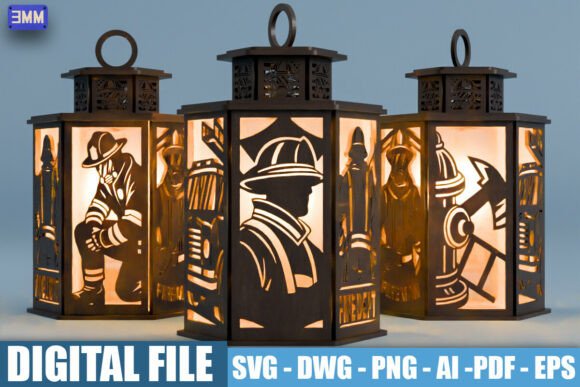
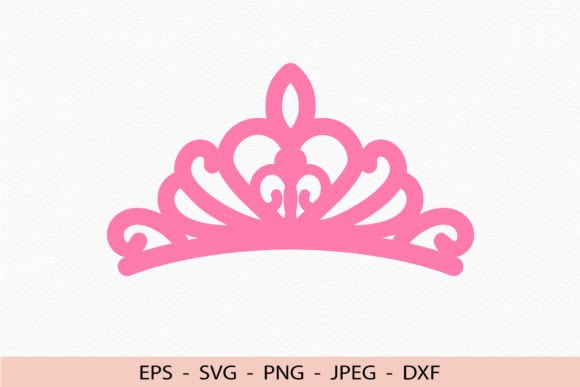
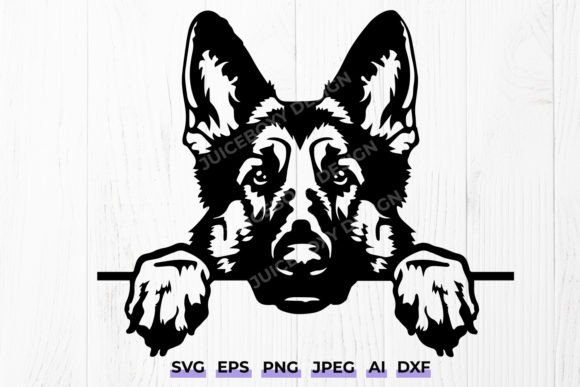
Because DXF files sit at the intersection of creativity and production, the quality of the source file can make or break a project. A poorly authored DXF may contain stray anchor points, overlapping paths, or incompatible line weights, leading to wasted material, failed cuts, or endless troubleshooting. Conversely, a meticulously crafted DXF streamlines the workflow, reduces machine downtime, and empowers creators to push the boundaries of what’s possible—whether that’s a detailed 3D firefighter lantern, a whimsical tiara for Cricut, or a lifelike German Shepherd silhouette.
This review series dives deep into six standout DXF offerings that have captured the attention of hobbyists and professionals alike. By evaluating each file’s design integrity, ease of use across popular cutting platforms, and overall value, we aim to equip you with the insight needed to select the “Best DXF File” for your next project.