Exploring the Best Layered Designs: A Comprehensive Review
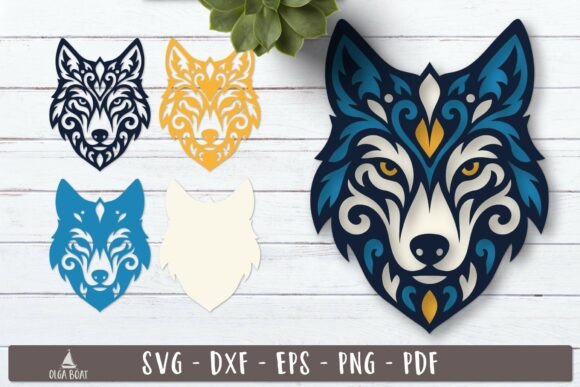
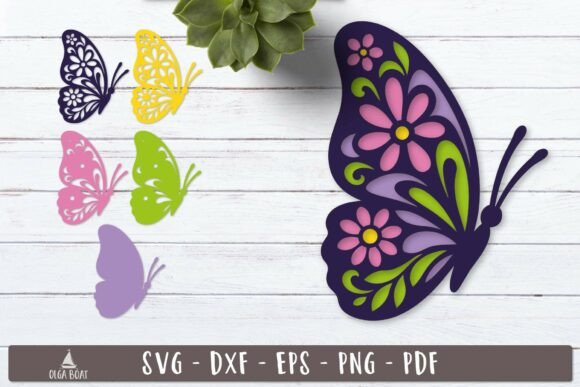
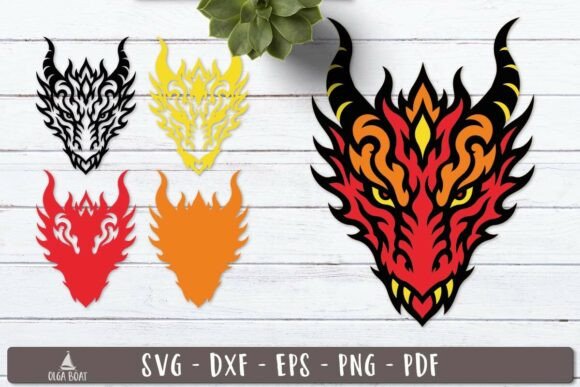
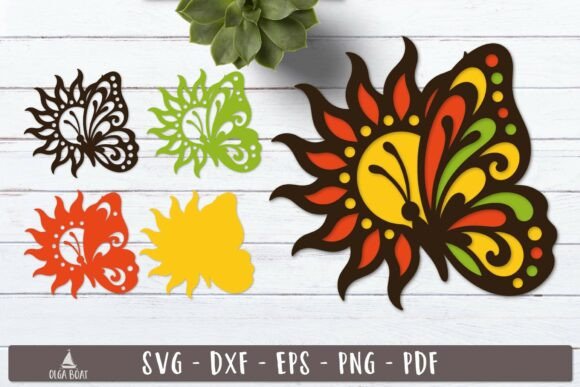
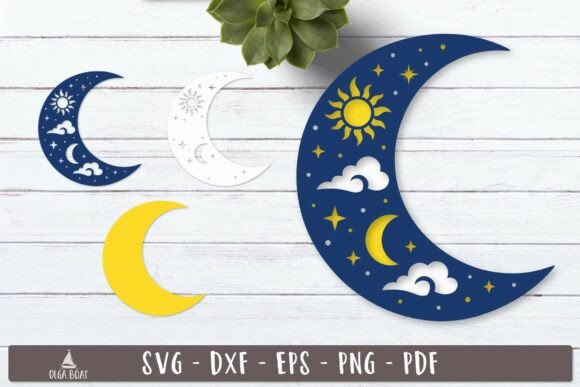
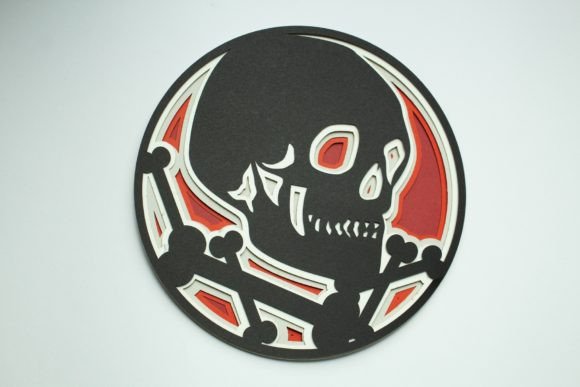
In a world where first impressions are everything, the importance of layered design cannot be overstated. Whether you're a seasoned designer or someone looking to add a touch of creativity to your personal projects, the versatility and depth offered by layered designs can truly elevate your work. Layered designs allow for a more intricate and detailed approach, enabling creators to build complex visuals from simpler, more manageable components. This not only makes the design process more efficient but also opens up a world of possibilities for customization and personalization. In this review, we will delve into some of the most captivating layered designs available, each offering a unique blend of artistry and functionality. From the fierce and enigmatic 3D Tribal Wolf Head SVG to the ethereal beauty of the 3D Celestial Moon SVG, these designs are not just visually stunning but also incredibly versatile, suitable for a wide range of applications including laser cutting, CNC machining, and even 3D printing. Join us as we explore why these layered designs stand out in the market, and how they can transform your creative endeavors.
Frequently Asked Questions
What is Layered Design in software architecture?
Layered Design, also known as n-tier architecture, is a design pattern where the application is structured into distinct layers, each with its own specific responsibilities. Common layers include presentation, business logic, and data access. This separation helps in maintaining, scaling, and securing the application more effectively.
Why is Layered Design important for developing scalable applications?
Layered Design facilitates scalability by separating an application's components into different layers, allowing each layer to be optimized, updated, or scaled independently without affecting others. This modularity makes it easier to manage large codebases, improve performance, and adapt to new technologies or requirements.
How does Layered Design enhance security in applications?
In a Layered Design, security policies and controls can be implemented at each layer, providing multiple barriers against attacks. For instance, the presentation layer can validate user input, the business logic layer can enforce business rules, and the data access layer can handle secure data storage and retrieval. This layered approach helps in minimizing vulnerabilities and protecting sensitive information.