TheEnduring Charm of the Cartoon Rabbit: A Cultural and Creative Phenomenon
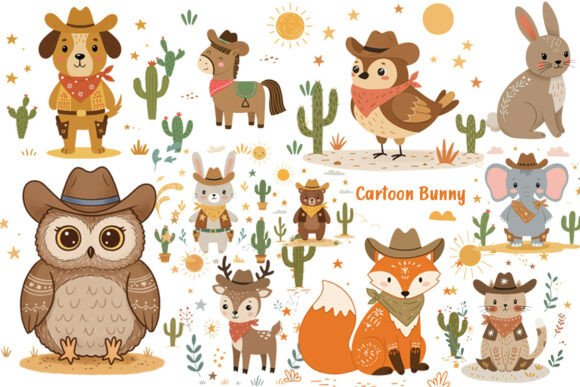
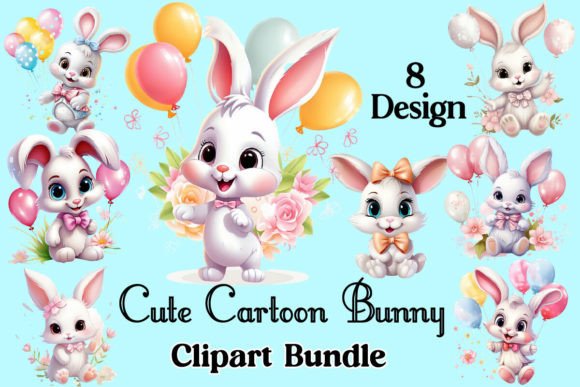
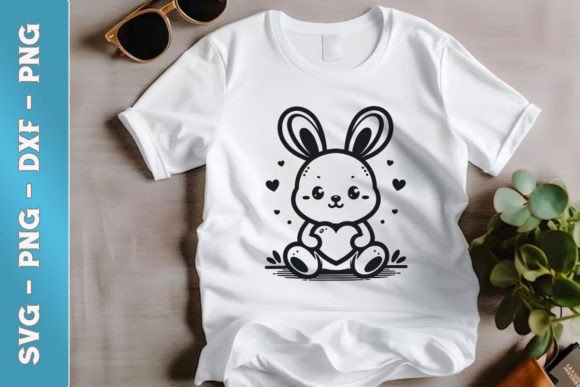
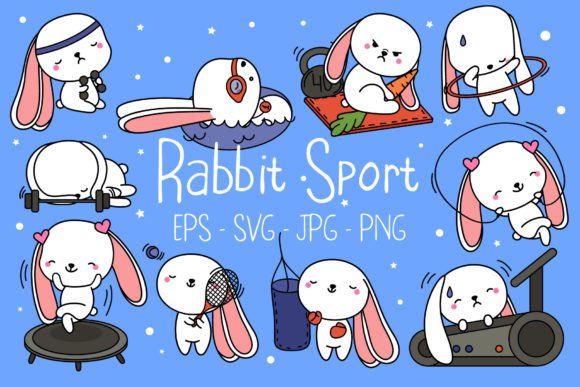
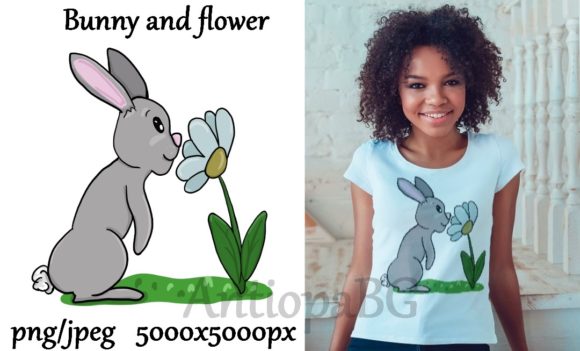
The Cartoon Rabbit has transcended its origins as a simple animated character to become a multifaceted icon in popular culture. Its universal appeal lies in its ability to embody cuteness, humor, and adaptability, making it a staple in both traditional and digital media. From whimsical illustrations to high-quality digital assets, the Cartoon Rabbit serves as a versatile symbol that resonates across age groups and creative disciplines. Its importance is underscored by its presence in diverse products—ranging from Western-themed bunny designs to SVG clipart and themed merchandise—each leveraging the rabbit’s inherent charm to connect with audiences. As a product category, the Cartoon Rabbit represents not just a trend but a reflection of our collective desire for playful,

Frequently Asked Questions
What are some popular cartoon rabbits?
Some of the most popular cartoon rabbits include Bugs Bunny from Looney Tunes, the White Rabbit from Alice in Wonderland, and the Easter Bunny as depicted in various films and TV shows.
Why are cartoon rabbits often portrayed as mischievous?
Cartoon rabbits are often portrayed as mischievous because this trait adds humor and excitement to their stories. The quick, clever, and sometimes trickster nature of the rabbit character can also serve as a metaphor for outsmarting larger, more powerful adversaries, which is a common theme in folklore and children's stories.
How do cartoon rabbits differ from real rabbits?
Cartoon rabbits typically have anthropomorphic features, such as walking on two legs, wearing clothes, and speaking human language, which real rabbits do not. Additionally, cartoon rabbits are often given exaggerated personalities and abilities for comedic or narrative effect, whereas real rabbits are generally shy, quiet animals that live in burrows and primarily eat plants.