Introduction
When it comes to creating unforgettable media—whether film, animation, games, or comics—character design is the linchpin that transforms a concept into a cultural icon. A masterfully designed character not only captivates audiences at first glance but also embodies narrative intent, evokes emotional resonance, and provides a versatile visual language that can be leveraged across merchandise, marketing, and storytelling mediums. In an industry saturated with fleeting trends, a well-crafted character stands the test of time, becoming a reliable asset for branding and audience engagement.
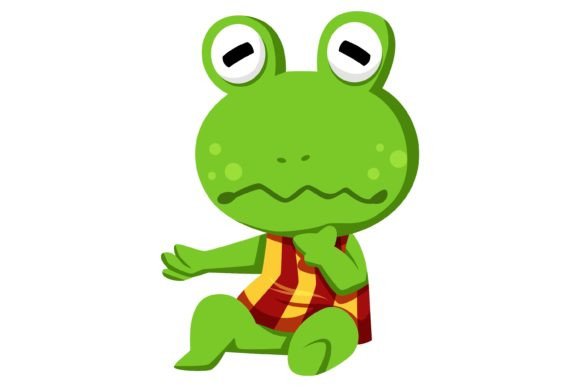
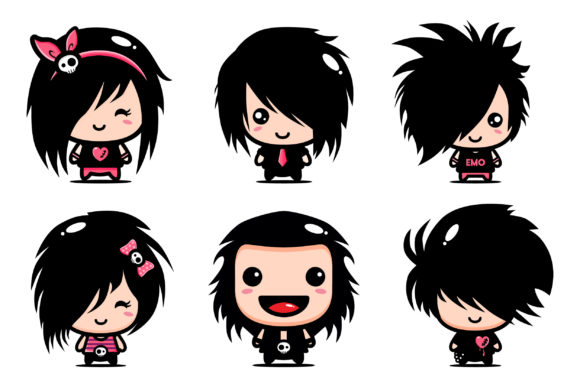
In this review, we examine six standout examples of character design that exemplify the art of visual storytelling. Each illustration showcases a distinct approach to form, color, and personality, while maintaining the essential balance between simplicity and depth that makes a character instantly recognizable and relatable.
Let’s dive into the world of character design and explore how these six creations set the benchmark for what it means to be the best in their field.



Frequently Asked Questions
What is character design?
Character design is the process of conceiving, developing, and visualizing a character for use in various media such as video games, films, animations, or comic books. It involves creating a unique appearance, personality, and backstory that help bring the character to life and make them relatable to the audience.
Why is character design important?
Character design is crucial because it helps in establishing a strong connection between the story and its audience. A well-designed character can engage viewers, drive the narrative, and even become iconic. Good character design also aids in differentiating characters from one another, making the storytelling more effective and memorable.
What are the key elements to consider when designing a character?
Key elements to consider in character design include the character's appearance (such as body type, clothing, and color), their personality and background, how they fit into the world and story, and their role or function within the narrative. Additionally, considering the target audience and the medium (e.g., 2D, 3D, animation style) is important to ensure the character resonates well and is visually appealing.