Exploring the Best Character Design: A Journey into Imagination and Artistry
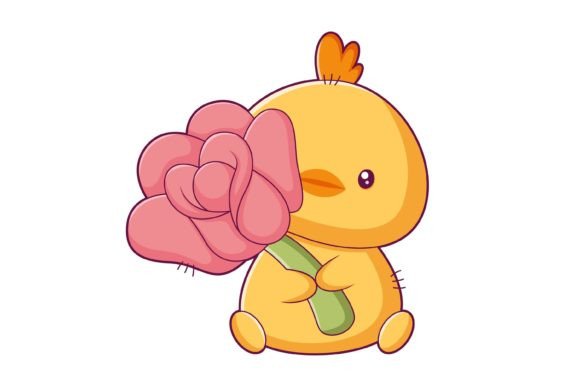
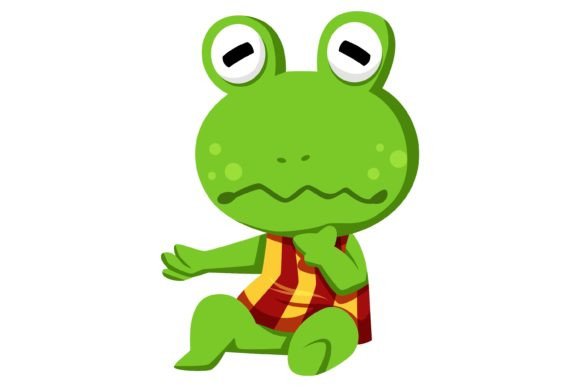
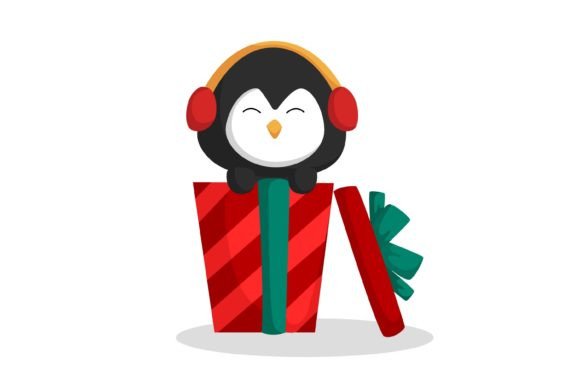
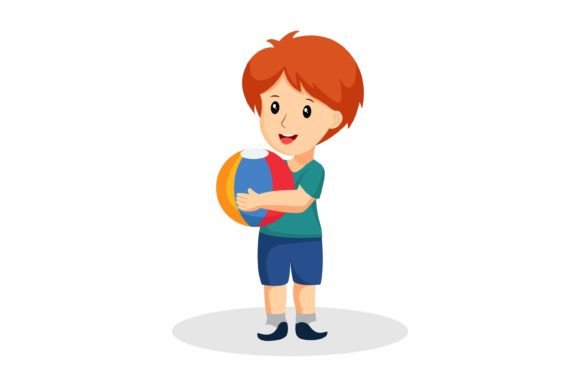
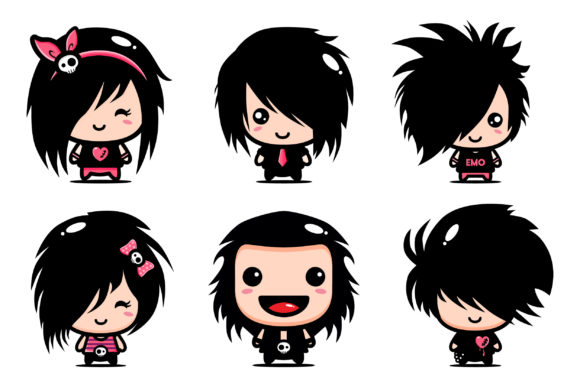
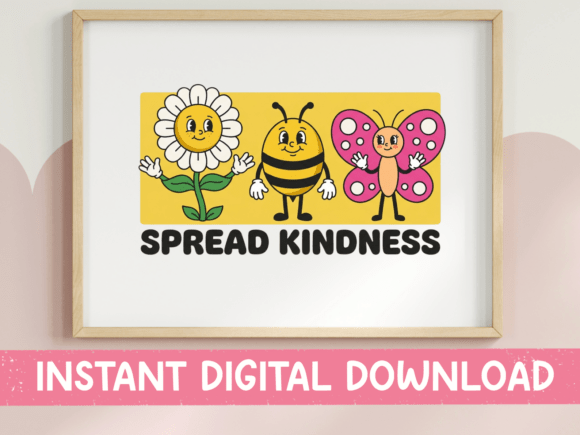
Character design is an essential and often underappreciated aspect of visual storytelling, whether it's in animation, video games, or graphic novels. It goes beyond mere aesthetics; a well-crafted character can breathe life into a narrative, making it more relatable and engaging for the audience. In this review, we will delve into some of the most compelling and affordable character designs available, each with its unique charm and potential to captivate viewers. From the adorable simplicity of a Cute Chick Character Design Illustration (USD 2) to the whimsical appeal of a Cute Frog Character Design Illustration (USD 2), and the cool, quirky vibe of a Cute Emo Vector Character Design (USD 1), these characters are not just illustrations—they are the building blocks of stories waiting to be told. Additionally, we'll explore the endearing Penguin Character Design Illustration (USD 2), the playful Little Boy with Ball Character Design (USD 2), and the inspiring Spread Kindness Retro Character Design (USD 2.25). Each of these designs offers a glimpse into the world of creativity and imagination, making them perfect for a wide range of projects, from children's books to social media campaigns. Join us as we uncover the magic behind these character designs and why they stand out in the crowded field of digital art.
Frequently Asked Questions
What is character design and why is it important?
Character design is the process of conceiving, creating, and refining a character for use in various media, such as video games, animations, and illustrations. It's important because a well-designed character can engage audiences, drive the narrative, and become memorable, thus enhancing the overall appeal and success of a project.
What are the key elements to consider when designing a character?
Key elements to consider in character design include the character's backstory, personality, physical appearance (such as shape, size, and color), attire, and how they interact with their environment. Additionally, the character's role in the story and how they relate to other characters are also crucial factors.
How does one start the process of character design?
The process typically begins with brainstorming and concept development, where you outline the character's purpose, background, and key traits. Next, you sketch out rough designs, experimenting with different looks and styles. Feedback and iteration follow, refining the design until it perfectly captures the character's essence. Finally, the character is detailed and finalized, ready for implementation in the chosen medium.