Unveiling the Best Harvest: A Comprehensive Guide to Selecting Your Perfect Pick
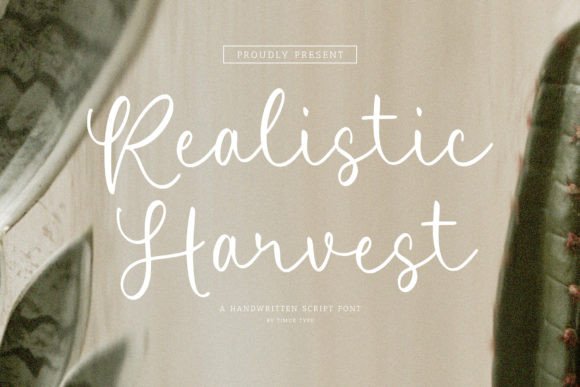
In a world where the seasons paint the landscape with vibrant hues and fill the air with the sweet scent of nature's bounty, the concept of harvest takes on a profound significance. Beyond its agricultural roots, harvesting embodies the essence of reaping what one has sown, whether it be in the form of crops, personal achievements, or cherished memories. In this review, we delve into the heart of what makes a great harvest, exploring six unique offerings that promise to bring a touch of the season's richness into your life. From the zesty appeal of Lemon Harvest at just USD 3, to the sophisticated allure of Bright Harvest priced at USD 25, each product is designed to cater to different tastes and budgets. Meanwhile, Harvest Delight offers a delightful experience for only USD 7, while Summer Harvest captures the essence of sunny days at USD 3.2. For those seeking a more traditional yet enchanting option, Harvest Sunday is available at USD 15, and Realistic Harvest brings an authentic touch at USD 5.6. Join us as we embark on a journey to discover which of these products truly stands out as the best harvest, providing not just a taste of the season but also a celebration of life's simple pleasures.





Frequently Asked Questions
What does 'harvest' mean in an agricultural context?
In an agricultural context, 'harvest' refers to the process of gathering mature crops from the fields. This can include a variety of produce such as grains, fruits, and vegetables, which are then prepared for sale or storage.
When is the typical harvest season for most crops?
The typical harvest season varies depending on the type of crop and the geographical location. Generally, for many temperate regions, the main harvest season for grains like wheat and corn is late summer to early fall. However, some crops, especially in warmer climates or with the use of greenhouses, can be harvested year-round.
How has technology impacted the way we harvest crops?
Technology has significantly transformed the harvesting process, making it more efficient and less labor-intensive. Innovations such as mechanized harvesters, GPS-guided tractors, and automated sorting systems have increased productivity and reduced the time and cost associated with traditional manual harvesting. Additionally, advancements in data analytics and IoT (Internet of Things) enable farmers to monitor crop health and optimize harvest timing for better yields.