Why Layered Design Is the Gold Standard for Modern SVG Art
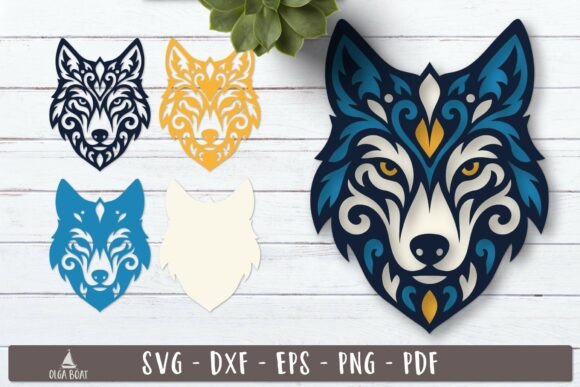
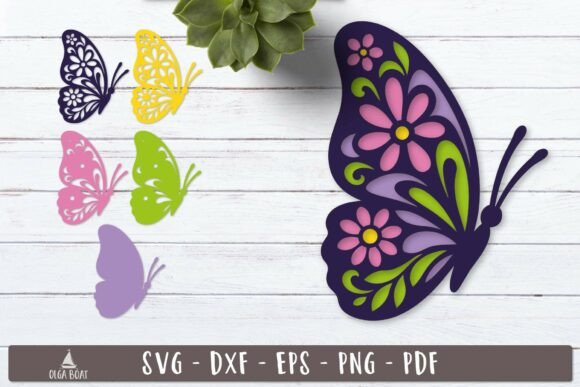
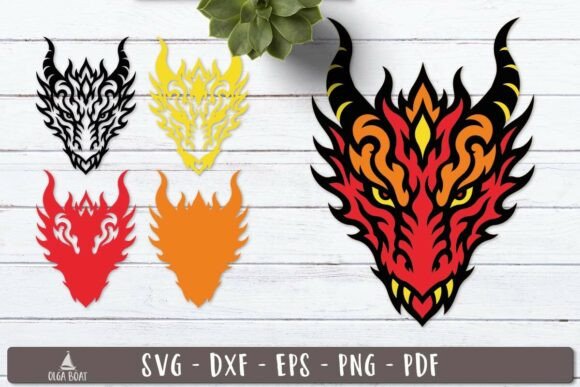
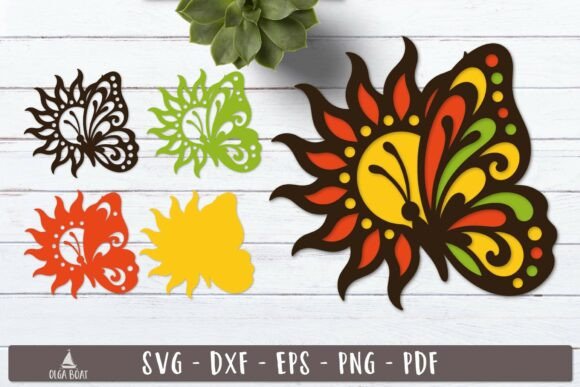
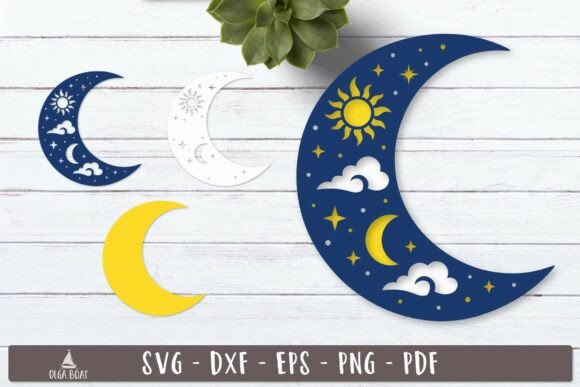
In the crowded marketplace of digital graphics, the ability to separate a design into independent, manipulable layers is not just a convenience—it’s a necessity. Layered design allows creators to tweak individual elements without disturbing the whole composition, swap colors on a whim, or repurpose a motif across multiple projects. For designers who demand flexibility, speed, and precision, a truly layered SVG file is the backbone of any efficient workflow.
Introducing the Best Layered Designs of the Year
We’ve sifted through hundreds of files to bring you a curated selection of the most versatile, artistically rich layered designs available today. Each of these files comes in a clean, editable SVG format, ready to be imported into Adobe Illustrator, Affinity Designer, or any vector-capable tool. Whether you’re a seasoned illustrator, a hobbyist crafting custom stickers, or a business looking for scalable branding assets, these layered treasures offer the perfect blend of aesthetic appeal and functional power.

Frequently Asked Questions
What is a layered design in software architecture?
Layered design, also known as n-tier architecture, organizes the application into distinct layers where each layer has a specific role and responsibility. Common layers include presentation, business logic, and data access. This separation allows for better manageability, scalability, and maintainability of the application.
Why is layered design important in software development?
Layered design is important because it promotes separation of concerns, making the system easier to understand, develop, test, and become more maintainable. It also enhances security by isolating critical components and supports reusability of code across different parts of an application or even different projects.
How does a layered design impact the performance of an application?
While layered design can improve modularity and maintainability, it might introduce additional overhead due to the need for inter-layer communication, which could potentially impact performance. However, with proper design and optimization (like caching, efficient data handling, and asynchronous processing), this impact can be minimized. The benefits of maintainability and scalability often outweigh the slight decrease in performance.