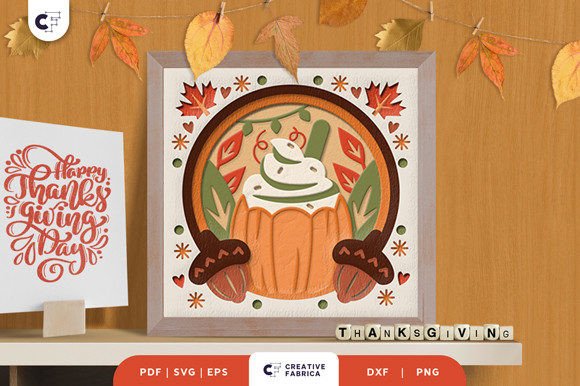
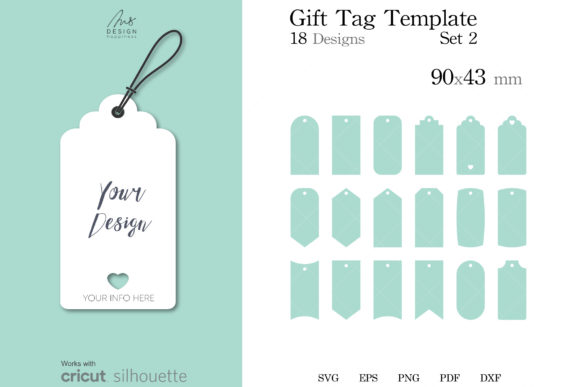
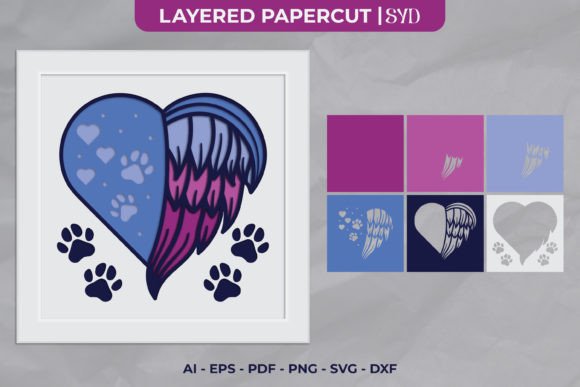
Introducing the Ultimate Review of the Best Spring Paper Cut Designs
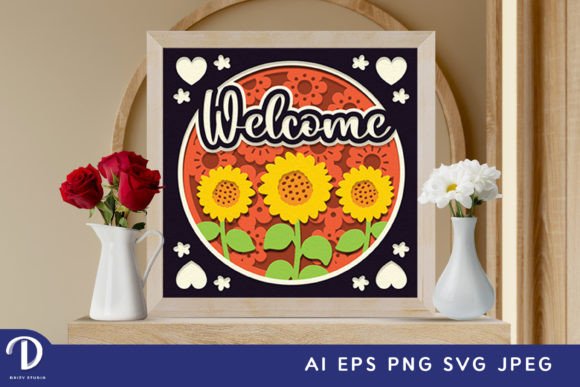
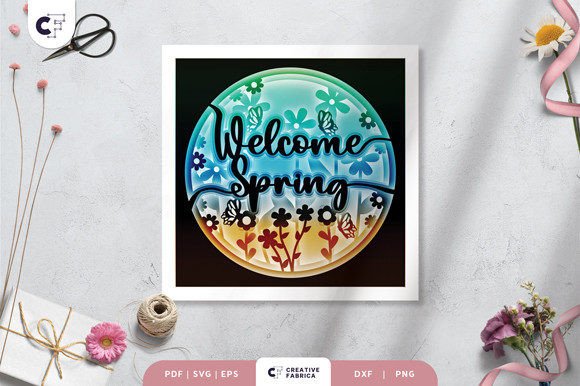
Spring paper cut art has surged to the forefront of DIY crafting, wedding décor, and seasonal marketing because it fuses intricate artistry with the fresh, hopeful energy that defines the season. A well‑executed paper cut can transform a simple sheet of cardstock into a three‑dimensional narrative—sunflowers unfurling, butterflies fluttering, or elegant shadow‑box scenes that invite viewers to look deeper. For creators, these designs are not merely decorative; they are versatile tools that streamline production, reduce material waste, and deliver a high‑impact visual punch without the need for expensive printing or laser‑cut services.
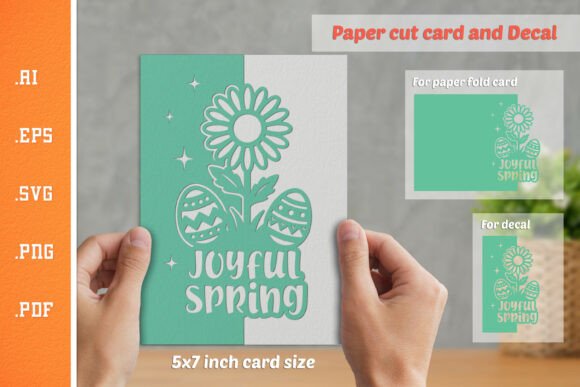
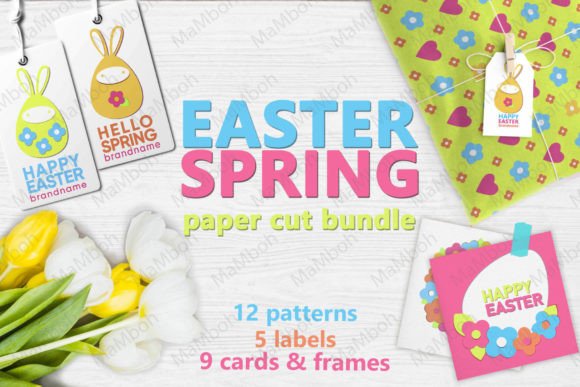
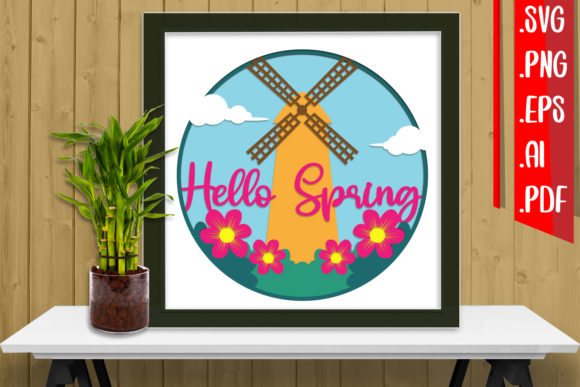
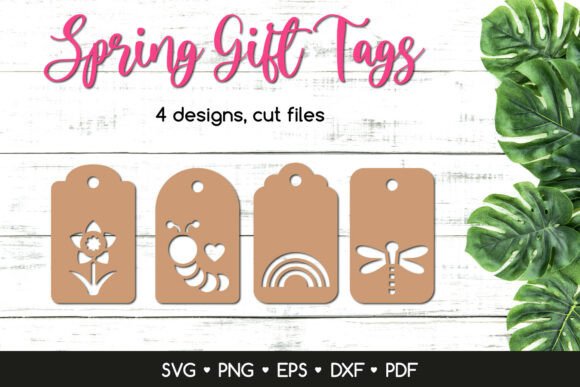
In this review we evaluate six standout spring‑themed paper cut collections, each priced to appeal to hobbyists and professional designers alike. Our analysis covers artistic complexity, file quality, ease of use in cutting software, and overall value for money, providing you with a clear hierarchy of which cut will best elevate your spring projects—whether you’re crafting greeting cards, 3D shadow boxes, or adorable gift tags.
Frequently Asked Questions
What is Spring Paper Cut and where does it originate from?
Spring Paper Cut, also known as 'Chun Lian' in Chinese, refers to the traditional art of paper cutting that often features spring or New Year themes. It originates from China, with a history dating back over a thousand years, and is especially popular during the Chinese New Year and Spring Festival for decoration and celebration.
What are common themes or motifs in Spring Paper Cut designs?
Common themes in Spring Paper Cut designs include symbols of good fortune, prosperity, and happiness, such as flowers (especially peonies and plum blossoms), fish, dragons, and phoenixes. These motifs are deeply rooted in Chinese culture and carry wishes for a bright and prosperous new year.
How is Spring Paper Cut used in Chinese culture?
In Chinese culture, Spring Paper Cuts are not only decorative but also hold significant cultural and symbolic value. They are commonly used to adorn windows, doors, and walls, especially during the Chinese New Year and other festive occasions. The intricate designs are believed to bring good luck and positive energy into homes and businesses.