Discovering the Best Tortoise: A Comprehensive Review
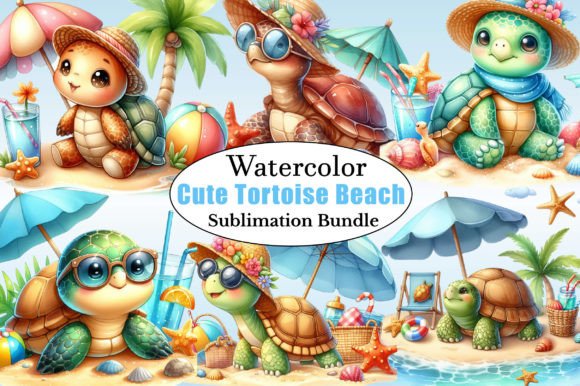
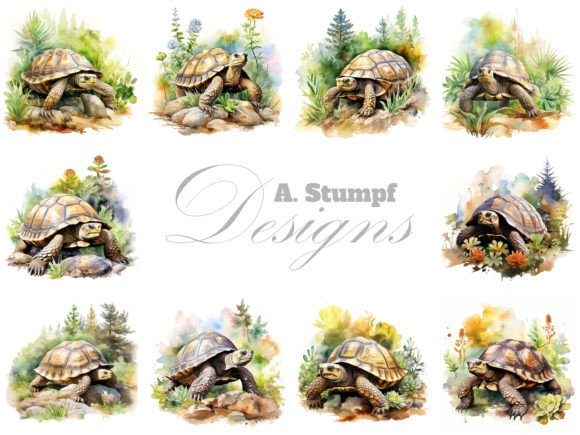
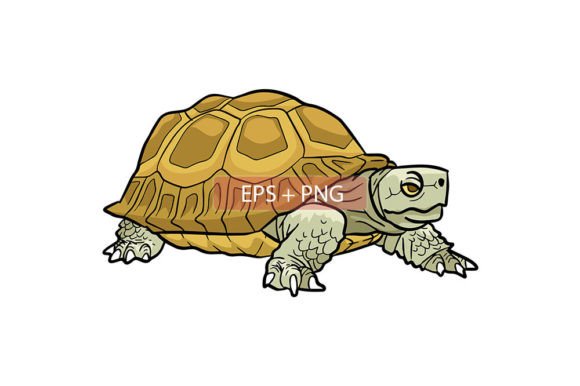
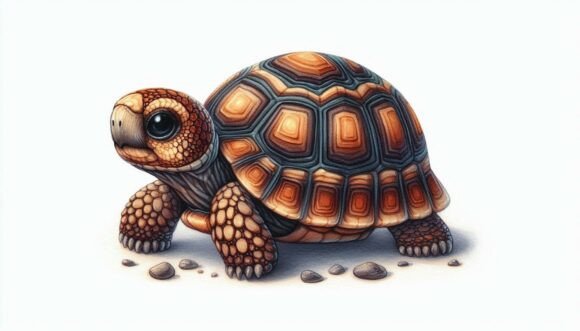
Tortoises, with their ancient and serene presence, have long captivated the hearts of nature enthusiasts and artists alike. These gentle creatures, known for their longevity and unique shells, serve as a symbol of wisdom, patience, and resilience. In the digital age, the charm of tortoises has transcended the natural world, finding its way into various forms of art and design. From cute and whimsical beach-themed clipart to intricate watercolor sets and detailed illustrations, the best tortoise designs offer a versatile and enchanting addition to any creative project.
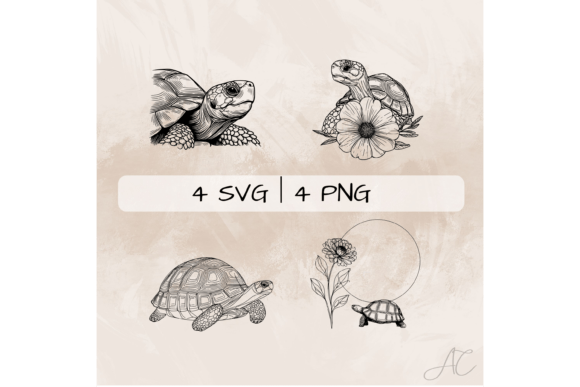
In this review, we delve into the top tortoise products available, each offering a unique take on this beloved creature. Whether you're looking for a simple, adorable summer tortoise for your next beach-themed project or a more sophisticated and delicate SVG bundle for a professional design, there's a perfect tortoise out for everyone. We'll explore the features, quality, and versatility of each option, helping you make the best choice for your creative needs. Join us as we uncover the best tortoise designs that not only add a touch of nature's beauty but also inspire creativity and admiration.

Frequently Asked Questions
What is the lifespan of a tortoise?
The lifespan of a tortoise varies by species. Some, like the giant tortoises found in the Galápagos and Aldabra, can live over 100 years. Smaller species generally have shorter lifespans, but many still live for several decades.
What do tortoises eat?
Tortoises are primarily herbivores, meaning their diet consists mostly of plant-based foods such as leafy greens, vegetables, fruits, and grasses. It's important to provide a varied diet suitable for the specific species of tortoise to ensure they receive all necessary nutrients.
How can you tell the age of a tortoise?
Determining the exact age of a tortoise can be challenging unless it has been documented from birth. One common method involves counting the growth rings on the scutes (sections) of the shell, though this is not always accurate. Another way is through size and species-specific growth rates, but these methods also come with limitations.